Buying or selling a home in North Atlanta is a local game with long term payoffs when you focus on the things buyers will still care about five or ten years from now. Whether you are listing in Alpharetta, Roswell, Johns Creek, Sandy Springs, Dunwoody, or Marietta, this guide helps sellers get the biggest return on investment and helps buyers recognize value that will hold up over time.
Start with the market signals that matter most to local pricing. Track active inventory, median days on market, recent sale prices per square foot in your neighborhood, and permit activity for new construction nearby. National headlines give context, but those four local measures tell you whether you should price conservatively, expect multiple offers, or have time to make targeted improvements before listing.
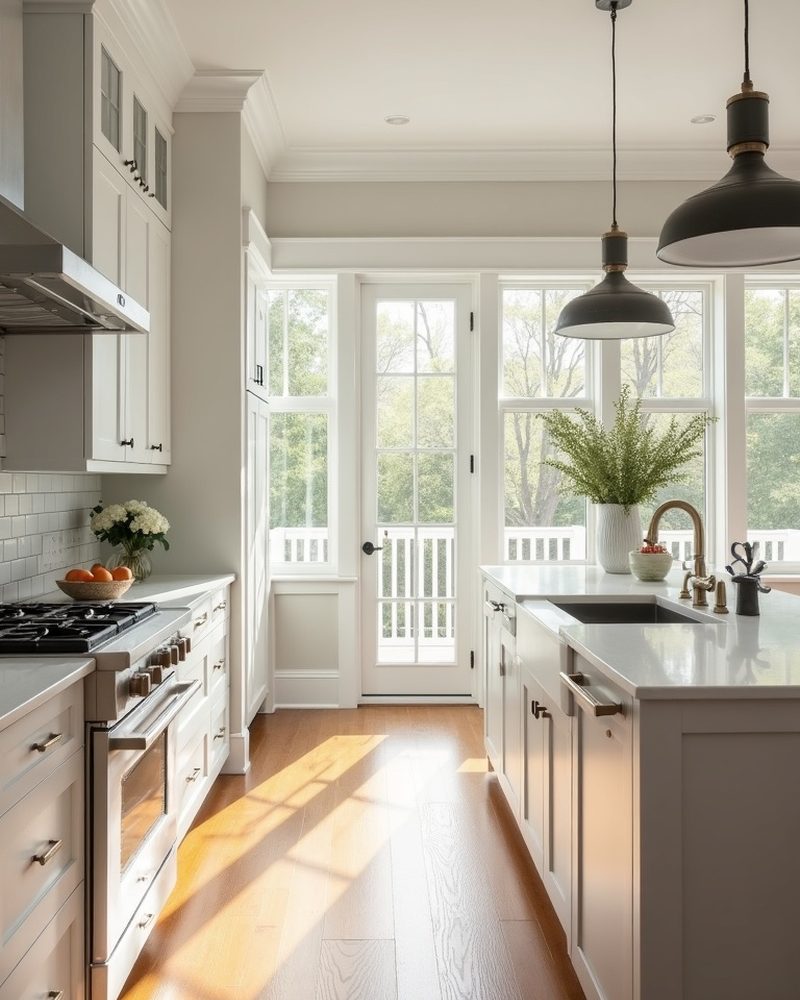
Focus improvements on durable items that future buyers will appreciate. Priority repairs include roof, HVAC, water heater, and electrical or plumbing issues revealed in an inspection. After safety and function, invest in neutral, long lasting finishes: a modest kitchen refresh, durable flooring, fresh paint in light tones, and updated lighting. Overimproving with trend-driven, high-cost customizations rarely returns full value in resale markets where buyers are seeking space, light, and flexibility.
Lot and layout often beat luxury finishes when buyers compare North Atlanta homes. Mature trees, usable outdoor space, a practical mudroom or dedicated home office, and a floor plan that flows will maintain appeal across market cycles. If you live near GA 400, I 285, or key commuter corridors, highlight how your layout supports easy morning routines and after-school schedules rather than spending heavily on one-off upgrades.
Curb appeal is a compact winner. Well maintained landscaping, a clean driveway, and a welcoming entry provide a measurable boost to first impressions. These are relatively low-cost updates that improve listing photos and encourage showings. Invest where buyers see you: the front yard, entry, and primary living spaces. Save high-cost renovations for only when comps and pricing strategy justify them.
Price with precision using neighborhood comps and current buyer demand. An accurate competitive market analysis (CMA) that compares recent closed sales, pending sales, and active listings in your subdivision is more powerful than a generic citywide estimate. Price too high and you lose momentum and perceived value; price too low and you leave money on the table. Small adjustments for condition, lot size, and school zones matter more than broad market averages.
For buyers, know the difference between cosmetic issues and structural or systems problems. Cosmetic items are bargaining chips you can fix after purchase. Older roofs, foundation concerns, or deferred maintenance seen on inspection require either negotiated credits or a different price point. Ask your agent for a post inspection estimate to set realistic repair budgets before you finalize an offer.
Staging
